During one of our weekly staff meetings several months before my sabbatical began, our Minister of Religious Education, Dan Harper, said, “Well, not that you’re looking for another sabbatical project, but if you were . . . ” It turns out that he sees a real need for a book of stories from the Bible for Unitarian Universalist kids around nine or ten years old. There are UU curricula introducing kids to this heritage (e.g., Timeless Themes), but he would love to have a volume to give each of our Religious Education students at that age. We could publish it ourselves, as he has done with his early history of Unitarians in Palo Alto and the Yuletide Song and Carol Book. In fact, we have funding for such a project thanks to a memorial book fund generously created by the family and friends of Sherwood Sullivan, a former president of our congregation who died late last year.
I wasn’t particularly in search of a project. Living in another country, learning Spanish, making lots of art, meeting regularly with my spiritual director, and expanding a program to teach Unitarian Universalists about modern slavery seemed like enough to grow on for six months. However, this idea sparked my imagination. The book Bible Stories retold by David Kossoff was a staple of my childhood, with its beautiful painted illustrations by Gino d’Achille and the writer’s vivid, down-to-earth voice. For example, when I think of the story of Absalom, who was killed as a traitor in the civil war he’d launched against his father King David, I always, always hear how Kossoff prefaced the famous passage:
The news was brought to David, and the people saw no triumph, no elation. Just a heartbroken man who’d lost a son. “O, Absalom,” they heard him say. “Would to God I had died instead of you. O, Absalom, my son, my son.”
(You can actually hear Kossoff himself, who was an actor as well, reading some of these stories on YouTube–see link below.)
As a religious educator, Unitarian Universalist, minister, parent, and lover of literature, I also have a voice to bring to these ancient, abiding, disturbing, inspiring, confusing tales. When Dan mentioned the idea, I immediately thought of some of the religious questions and ideas I’d developed around the age of nine or ten, and the stories that inspired them. I’d have to tell the story of Jonah, who is one of the most humanly flawed, and thus one of my favorite, characters in the Bible: a prophet, called to summon people to repentance, who is angry and disappointed when they actually do repent and gain forgiveness. And the story of Abraham bargaining with God to gain mercy for the people of Gomorrah and Sodom, which our Hebrew School teachers taught us as evidence that Jews’ God does not desire unthinking obedience, but respects a principled argument–in other words, that we are meant to use our reason and conscience to challenge even the God who gave them to us.
The fact that the same God, four chapters later, told the same man to sacrifice his beloved son like a sheep, and honored him for being willing to do it, raised so many painful questions. Were we supposed to be obedient after all? What the hell kind of God would ask such a thing? How did Isaac feel about it?
How will I introduce “texts of terror” like this? . . . that’s one of the many questions before me. But however I manage it, encouraging children’s questions and independent thinking is one of my goals for this book. Whether they’re UUs or just curious, engaged thinkers, they should wrestle with the text and the tradition, just as the Biblical Jacob wrestled with his brother, God, and himself–another story that will probably need to be included.
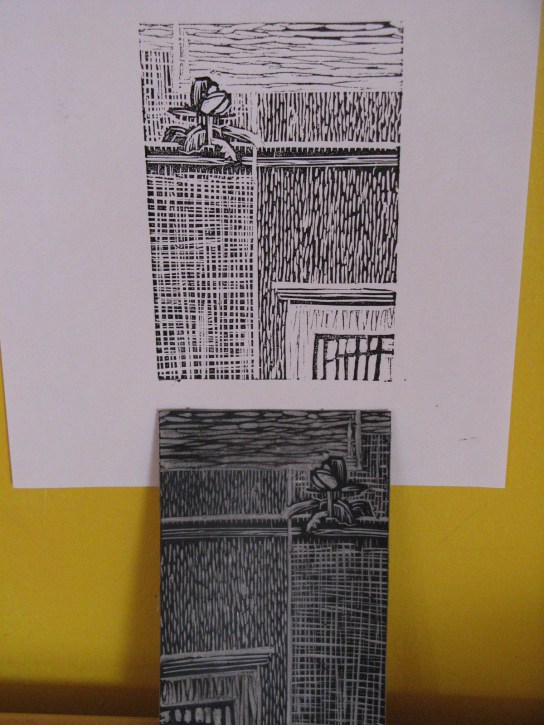
And I’ve got a reader on hand to raise questions and give me feedback from the target readership: a bright, questioning Unitarian Universalist nine-year-old. She’s also interested in creating illustrations, which I have promised she may do. I might do a few of my own as well, if the spirit so moves.
What stories would you include?
Bible Stories: the story of David, part 1, as read by the reteller





Recent comments