You are currently browsing the category archive for the ‘Black History Month’ category.
Black History Month, #5
I grew up with a lot of jazz in the house, mostly big band and bebop, yet I somehow did not become aware of Oscar Peterson until we saw his statue on a trip to Ottawa. His music plays in the square there as he sits on a piano bench that is pulled out as if he is just about to start playing, or just finished a piece and is turning to the audience. musicians.
This is his centennial, as he was born in Montreal in August of 1925. Peterson was an accomplished classical pianist at a young age. (His other instrument, trumpet, went by the wayside after a childhood bout of TB affected his wind for good.) He discovered boogie woogie thanks to the thriving jazz scene in his neighborhood, and went on to compose, perform, and teach for 70 years. Late to the party though I am, in the past few years he’s been one of my go-to jazz artists.
C Jam Blues, Oscar Peterson
Black History Month, #4
The children are always ours, every single one of them, all over the globe; and I am beginning to suspect that whoever is incapable of recognizing this may be incapable of morality. –James Baldwin, “Notes on the House of Bondage,” The Nation, November 1, 1980
I thought of Baldwin’s words earlier today, when I read a post from my colleague, the Rev. Ashley Horan, who is doing fierce, loving resistance day after day in Minneapolis and still finds time to write. To live into this wisdom from one of the greatest US American thinkers and writers, I urge you to read Ashley’s post, public on Facebook.
Black History Month, #3
Josephine Baker was a complete badass. A singer, dancer, and actor; the adoptive parent of 13 children; a fighter against racism at home; and a fighter against Nazism in France.
Siren of the Resistance: The Artistry and Espionage of Josephine Baker
(I did something wrong on the scheduling and this didn’t post yesterday as I’d intended it to.)
Black history month, #2
I discovered this poet thanks to The Academy of American Poets’ Poem-a-Day, which has introduced me to many contemporary poets, many of them African-American. It is a testament to the power of using one’s platform to move beyond the narrow and the known. So many people are writing, have always written, great poetry, and only a tiny sliver of them are dead white men, so hooray for the Academy of American Poets for shining a light on so many others. I loved the poem linked below when it arrived in my inbox one day, and then I read others by him and felt a kinship there.
Please click on through to read How Can Black People Write About Flowers at a Time Like This, or to hear the poet read it. The page also has links to other poems of Abdurraqib’s.
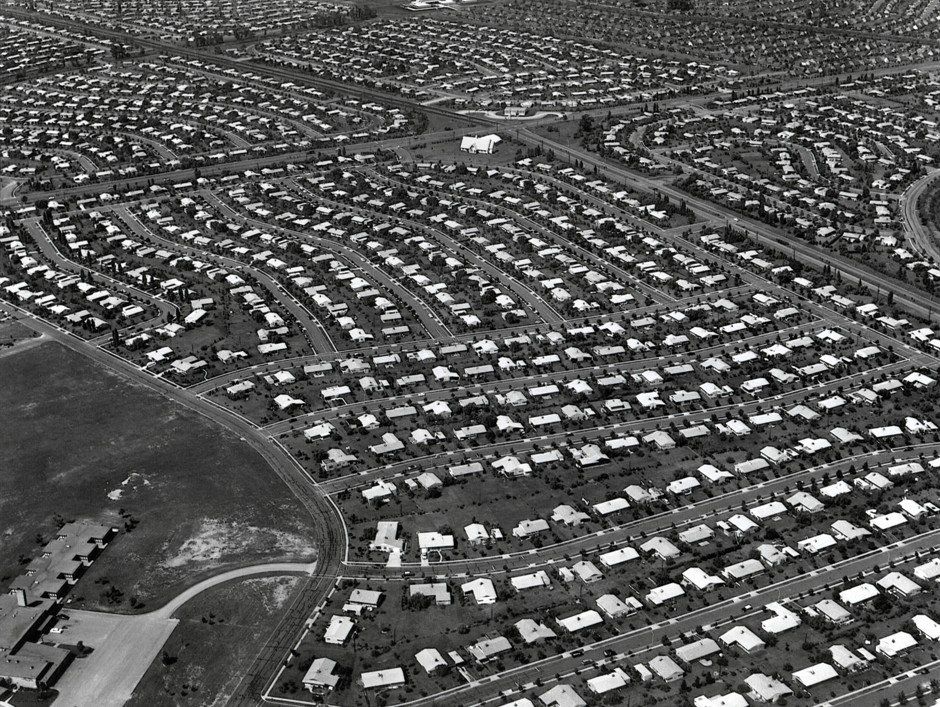
I want to spend the month here exploring and celebrating African-American history –which is of course US American history. Today’s item is not reason for celebration, but lifting the burden of the lies we tell about why Black people tend to live in segregated and inferior neighborhoods?–that is. Check it out:
White-Only Suburbs: The History You Didn’t Learn
Given the impact housing has on generational wealth, access to education, vulnerability to crime, even access to groceries, our country’s racist housing policies have dug a hole out of which African-Americans are still trying to climb.
Black History Month, day 16 (sigh . . . I am not cut out for daily blogging)
I have no interest in seeing yet another movie whose chief interest in racism is how it affects white people. That’s okay now and then–racism does, after all, affect white people–but it is so, so overdone. So I’ll skip Green Book, which last night joined Driving Miss Daisy and (so I’m told–haven’t seen it) Crash on the list of Oscar-bait movies that successfully hooked the big fish by using the most irresistible bait of all: making white people feel as if racism can be resolved without any real sacrifice on our part.
Instead, I’m going to watch the documentary The Green Book: Guide to Freedom, released today. I know a bit about the Green Book, thanks to an exhibit in San Francisco several years ago (I wrote very briefly about it here) and a passage in The Warmth of Other Suns, Isabel Wilkerson’s fascinating book about the Great Migration, in which one of the Southern African-Americans whose stories she tells was driving across the country to California and couldn’t find places to stop. Unable to rent a room, and at risk of being arrested, not to mention attacked, if they pull over and sleep in the car: it’s a system designed to tell black people that they have no worth or dignity.

 Sermons in Stones
Recent comments